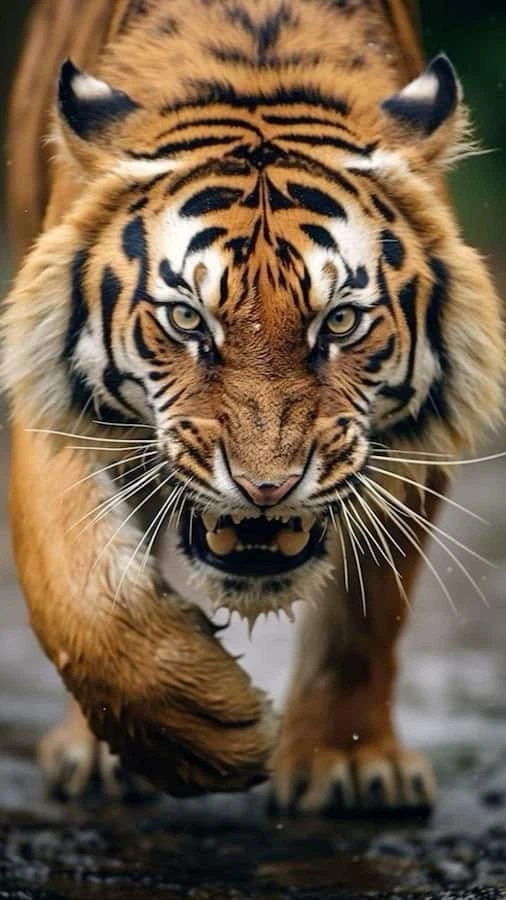
Everything we tell our own guests before they arrive in Ramnagar — zone-by-zone detail, the real month-by-month picture, what actually lives in the park, and honest answers to the questions we hear on WhatsApp every single day.
About Jim Corbett National Park
Long before "wildlife tourism" was a phrase anyone used, a hunter-turned-conservationist named Jim Corbett was arguing that the tigers of the Kumaon hills were worth more alive than dead. In 1936 the government of the time agreed, and Hailey National Park — renamed Jim Corbett National Park in 1957 in his honour — became India's first national park. In 1973 it went on to host the launch of Project Tiger, the conservation programme that anchors India's tiger-protection efforts to this day.
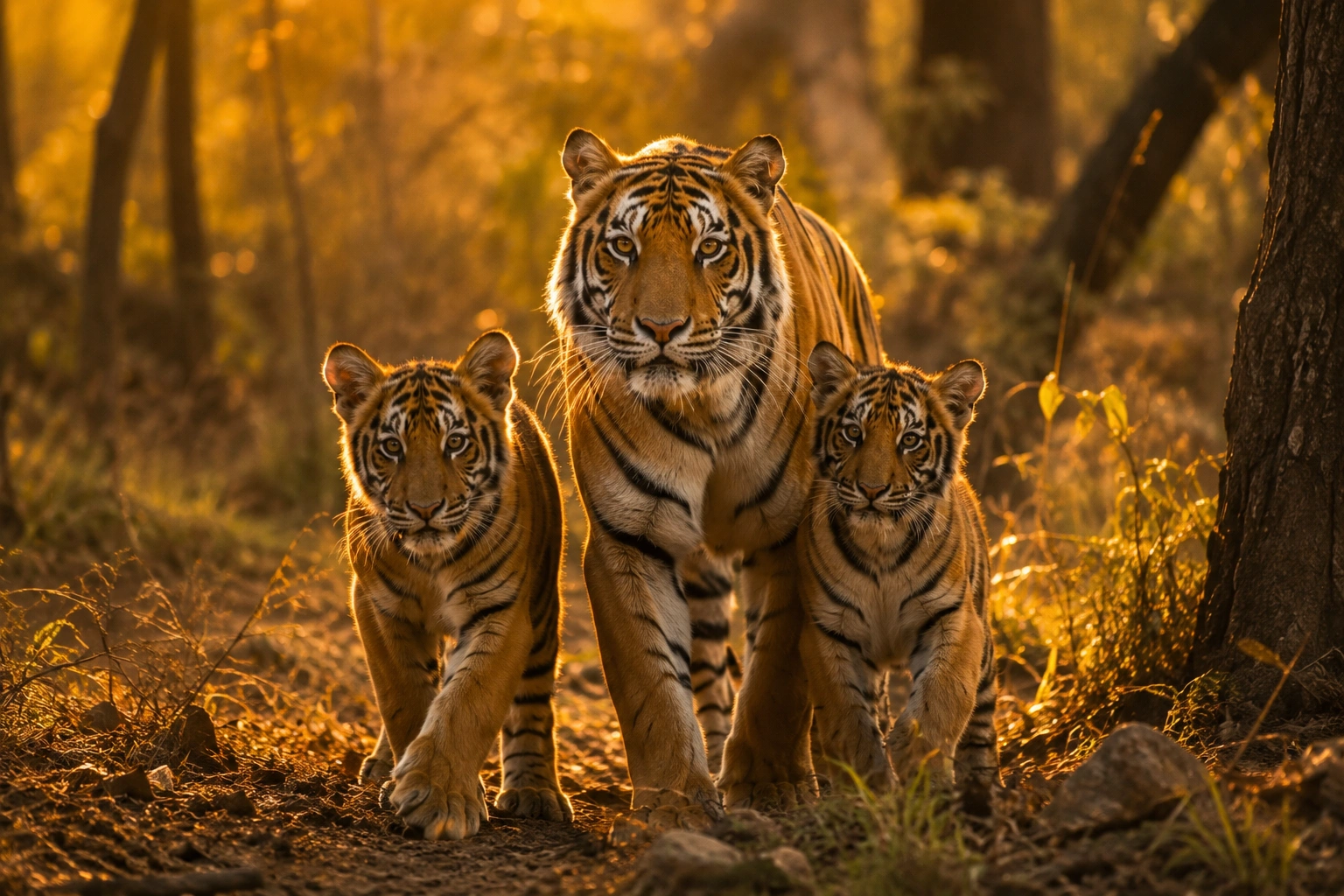
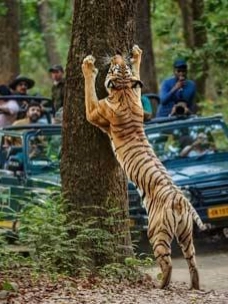
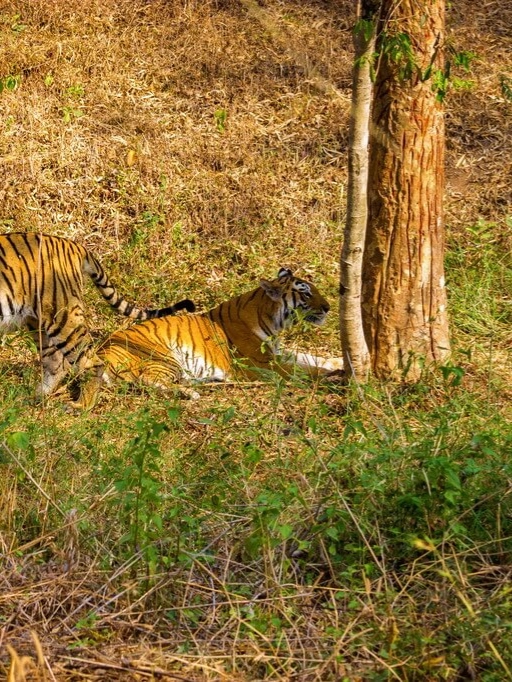
The reserve now spans roughly 1,288 sq. km of sal forest, riverine grassland (locally called chaur), and Himalayan foothill along the Ramganga river, split into a strictly protected core zone and a more accessible buffer zone. Corbett Tiger Reserve currently holds the highest tiger count of any reserve in India — 260 tigers within the core area according to the 2022 All India Tiger Estimation — alongside an estimated 1,100+ wild Asian elephants and more than 600 recorded bird species. For a first-time visitor, the real question is rarely "should I go." It's "which zone, which season, and which safari format actually gets me the sighting I'm hoping for" — and that's what the rest of this guide is for.
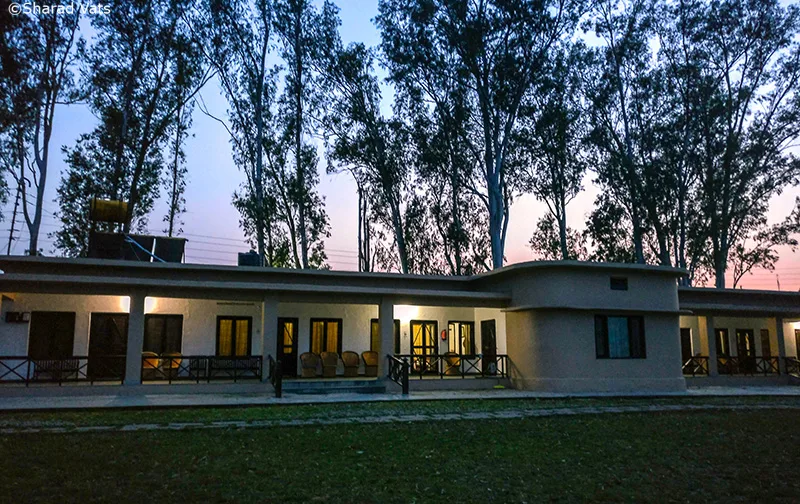
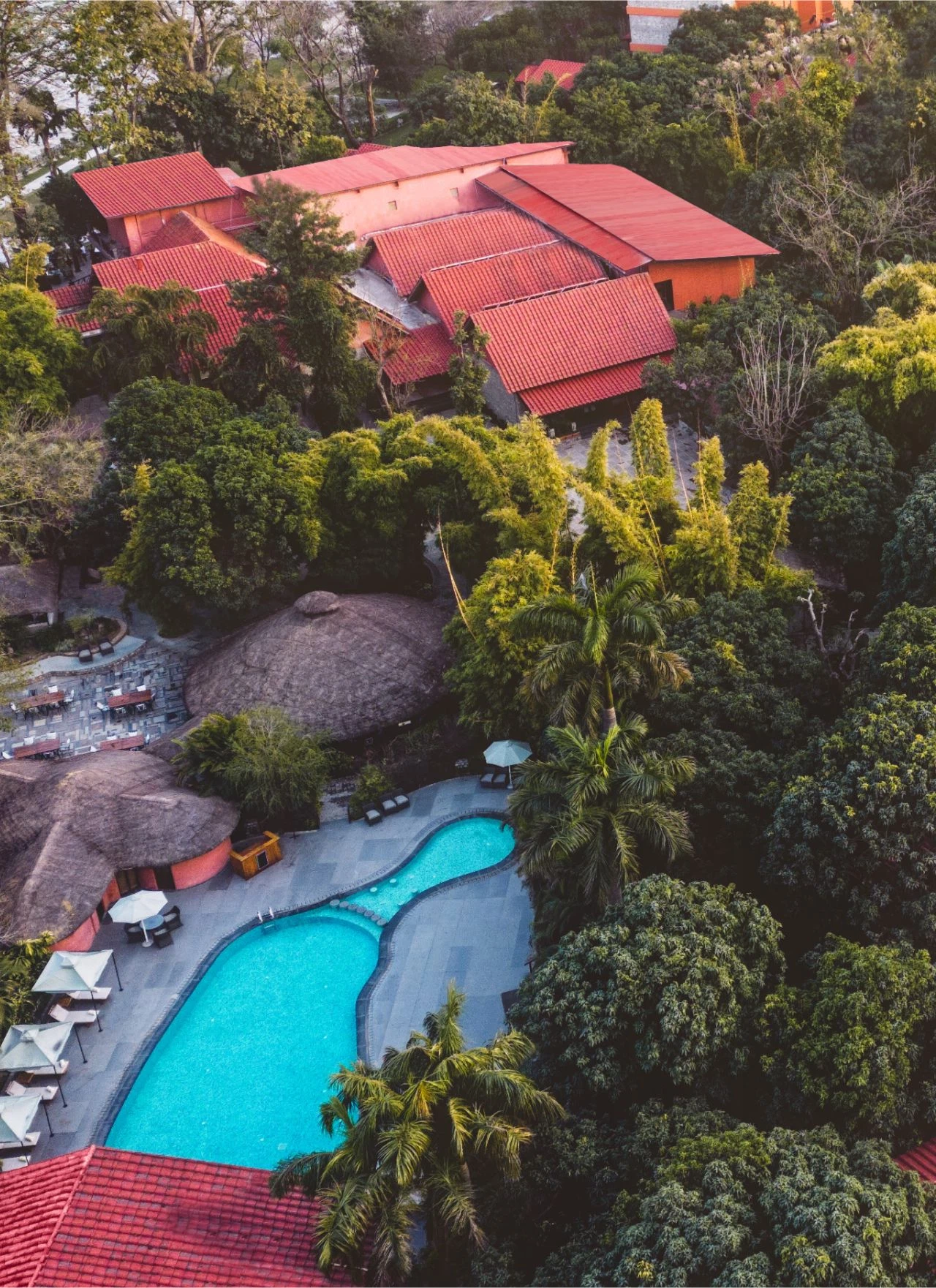
Ramnagar, the town this entire park is booked and administered from, sits right at the edge of the reserve and functions as its de facto headquarters — every permit office, most naturalists, and nearly every lodge or resort you'll consider staying at is based here or a short drive away. That proximity is worth factoring into your plans: it means early-morning safari shifts (often starting around 6 AM) are genuinely reachable without a pre-dawn drive from somewhere else, and it means last-minute questions about weather, road conditions, or zone status can usually be answered by a local call rather than a guess.
Jim Corbett Safari Zones Explained
Corbett's tourism area is split into ten ecotourism zones, each with its own entry gate, landscape, and permit quota — the forest department caps vehicle numbers per zone per shift specifically so no single zone gets overcrowded. Here's how they actually compare:
| Zone |
Distance from Ramnagar |
Best For |
Typical Season |
| Dhikala | ~18 km (via Dhangarhi gate) | Grassland tiger & elephant herds, night stay | 15 Nov – 15 Jun |
| Bijrani | ~2 km (Amdanda gate) | Sal forest jeep safari, sloth bear, photography light | 15 Oct – 30 Jun |
| Garjiya | ~4 km | Scenic, tranquil, close to the resort belt | 15 Oct – 30 Jun |
| Jhirna | ~16 km (Dhela gate) | Year-round access, leopard, wild boar | Open all year |
| Dhela | ~13 km | Year-round buffer safari, easy for families | Open all year |
| Hathi Dagar | ~24 km (Durga Devi gate) | Elephant corridor, newest zone, low crowds | Open all year |
| Durga Devi | ~25 km (Lohachaur gate) | Hilly terrain, river views, serious birders | 15 Oct – 30 Jun |
| Phato | ~4 km | Newer zone, dense tiger territory, fewer jeeps | 15 Oct – 30 Jun |
| Sitabani | Buffer forest, Ramnagar side | Birding, walking safaris, temple & mythology | Open all year |
| Pakhro | Kotdwar side (Sonanadi Range) | Niche, quiet, dense sal & bamboo forest | 15 Oct – 30 Jun |
Sitabani and Pakhro both run largely independent booking systems from the main Corbett Tiger Reserve permit office and often stay open through the monsoon — useful if the core zones above are closed or fully booked.
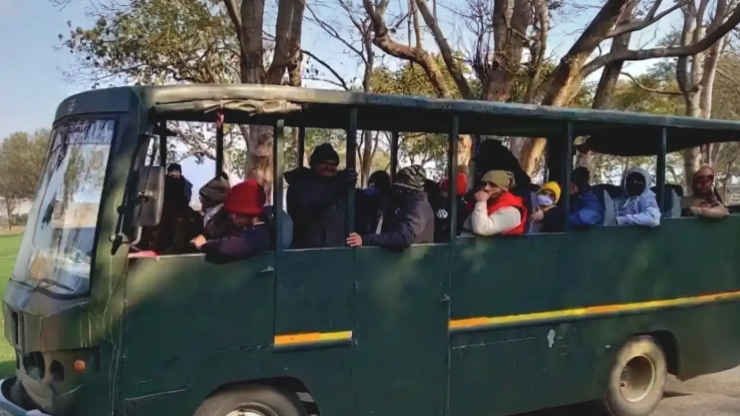
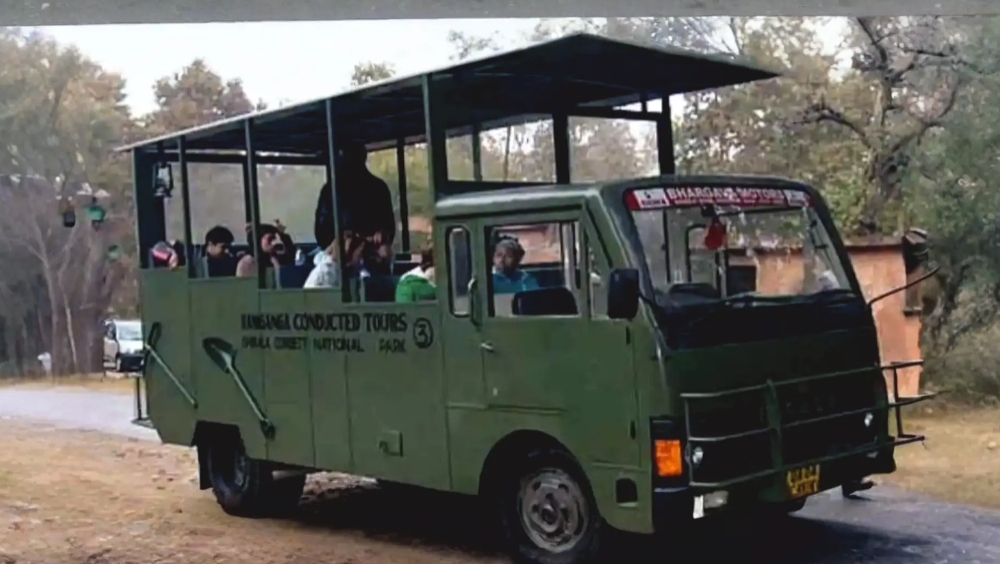
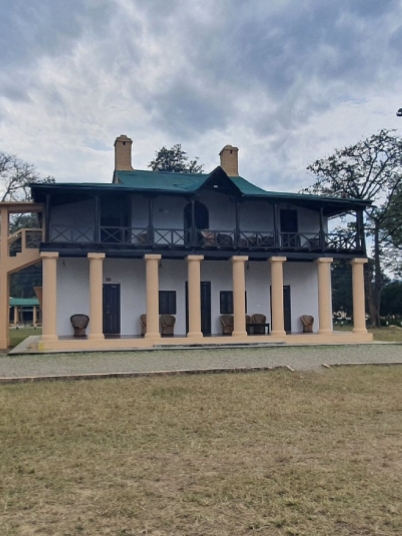
Dhikala is Corbett's headline zone: sweeping chaur grassland, dense sal forest, and the closest thing to a guaranteed elephant sighting the park offers. The catch is access — day visitors can only enter on a Canter (open 16-seater bus); a private jeep safari here requires a booked night at the historic Dhikala Forest Rest House, the same lodge that hosted the launch of Project Tiger in 1973.
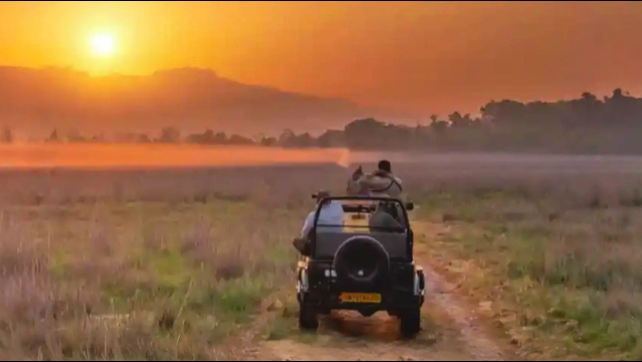
Bijrani, a short drive from Ramnagar itself, is usually recommended as the best all-round choice for a single-day jeep safari — good light for photography, dry mixed forest, and a strong historical record for both tiger and sloth bear sightings.
Garjiya sits right in the Ramnagar/Dhikuli resort belt, trading a little tiger-sighting reputation for genuine accessibility — its short transfer time from most hotels is exactly why it sees such strong, steady demand year after year.
Jhirna and Dhela are two of the three zones that never close, which makes them the default choice for monsoon-season travel (July to mid-October) when Dhikala, Bijrani, and Durga Devi are shut for the breeding season and to let the forest recover.
Hathi Dagar is Corbett's newest zone, inaugurated in March 2024 — its name literally means "elephant's path," and as a genuine elephant corridor reached via the Durga Devi gate, it still sees noticeably lighter footfall than the established zones.
Durga Devi, in the park's hilly north, trades a slightly lower tiger-sighting rate for genuinely spectacular terrain and some of the best birding in the reserve.
Phato is a newer addition to the safari circuit — smaller crowds, dense tiger territory, and a quieter experience than the bestseller zones, at the cost of a slightly shorter track record for visitors to compare notes on.
Sitabani, a buffer forest just outside the core reserve, runs on a separate booking system from the main Tiger Reserve permit office. It's famous among birders for its 600-plus species checklist and is one of the only areas around Ramnagar where a guided walking safari is permitted — a genuinely different experience from being confined to a jeep — and it carries real local legend, associated with the Ramayana as the place Sita is said to have spent her exile.
Pakhro is the one zone not reached from Ramnagar at all — it sits in the Sonanadi Range, entered via Kotdwar on the opposite side of the reserve, through dense sal and bamboo forest. That different gateway is exactly why it draws a smaller, more niche crowd than any other zone on this list, and — like Sitabani — it's a genuinely useful fallback when the core zones are closed for monsoon.
Best Time to Visit Jim Corbett
Corbett rewards different travellers at different times of year, and the "best" season really depends on what you're chasing.
March to June (summer, peak tiger season): as temperatures climb past 35°C, water becomes scarce and tigers, elephants, and deer concentrate around the remaining rivers and waterholes — which is exactly why sighting odds peak in April, May, and early June. Mornings are still pleasant; afternoons get genuinely hot, so a morning shift is worth prioritising in this window.
Mid-November to February (winter): cool, often misty mornings, comfortable daytime temperatures, and the single best stretch for birdwatching as winter migrants arrive from Central Asia and the Himalaya. Tiger sightings are still good, if slightly less concentrated than summer, since water is more widely available. This is also the most comfortable season for families and older travellers.
July to mid-November (monsoon): the core zones — Dhikala, Bijrani, Durga Devi — close entirely, both to protect breeding wildlife and because forest roads become unsafe. Jhirna, Dhela, Hathi Dagar, and the independent buffer ranges (Sitabani, Pakhro) stay open and, honestly, this is an underrated time to visit: lush emerald forest, dramatically fewer tourists, and a completely different mood to the park.
If tiger sighting is your single priority, aim for April–June. If comfort and birdlife matter more, December–February. If you're travelling on a fixed date regardless of season, Jhirna or Dhela will always be open to receive you.
Wildlife You Can Spot
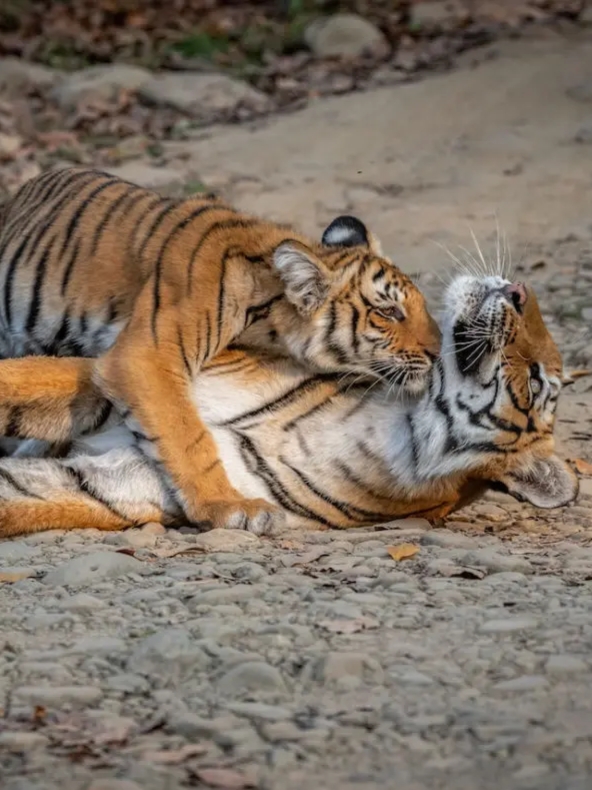
The Bengal tiger gets top billing, understandably, but Corbett's ecosystem runs far deeper than one species.
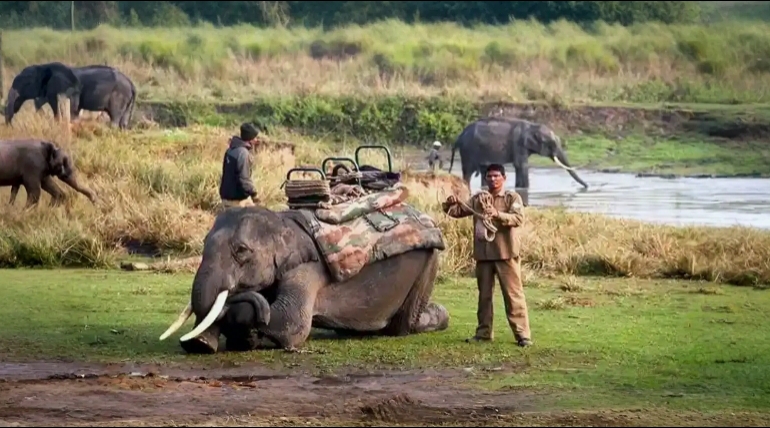
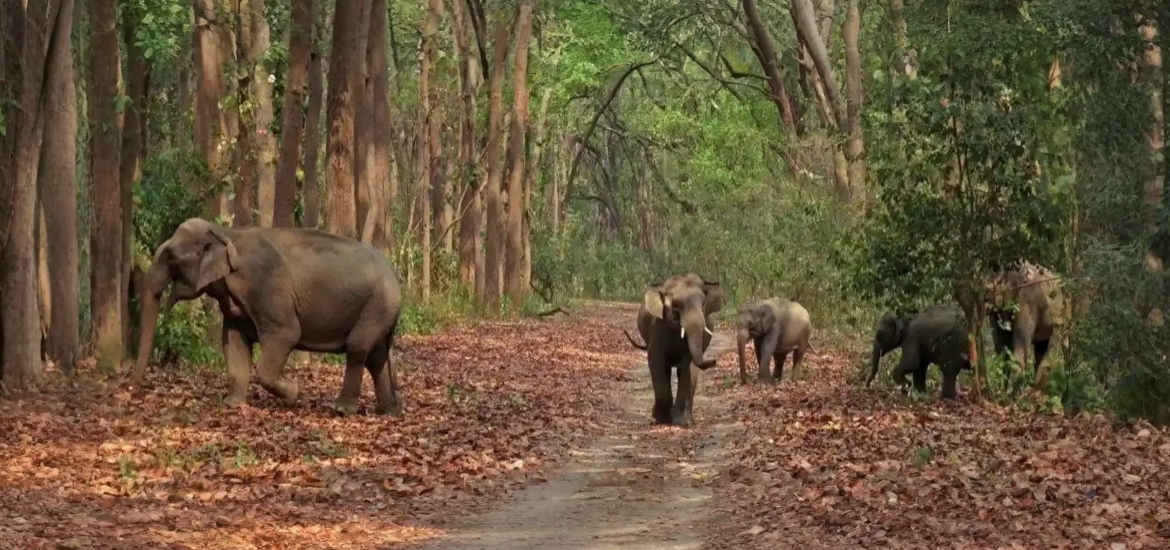
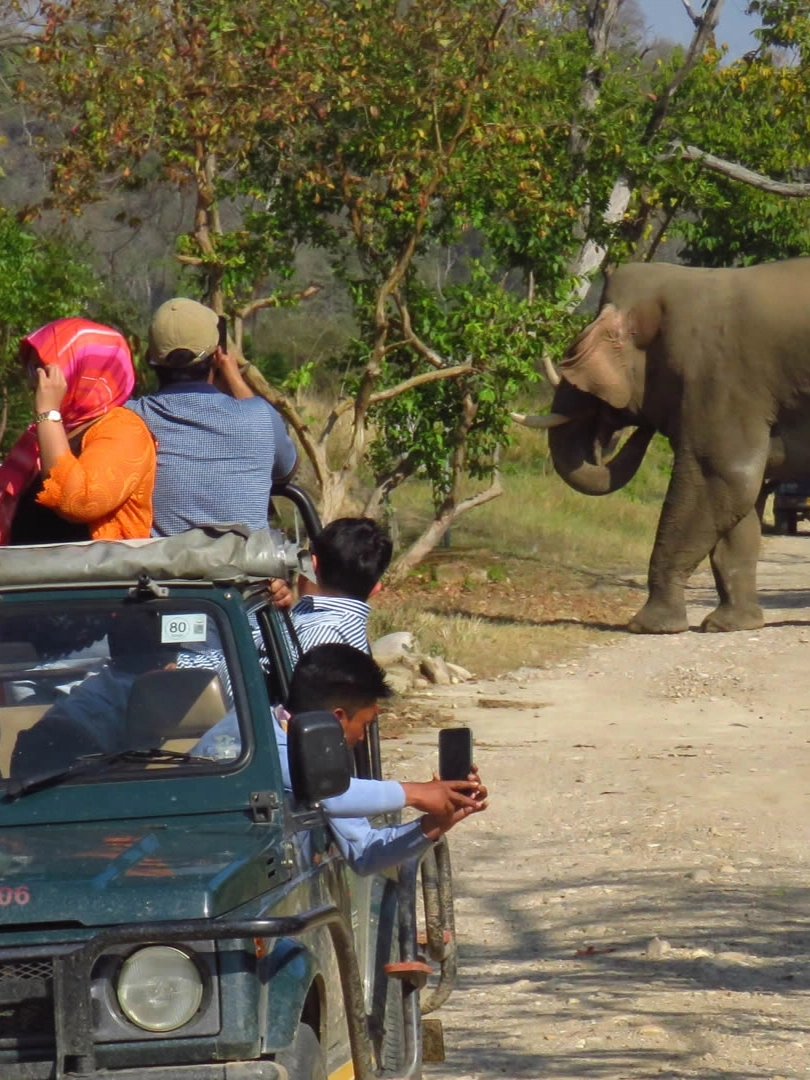
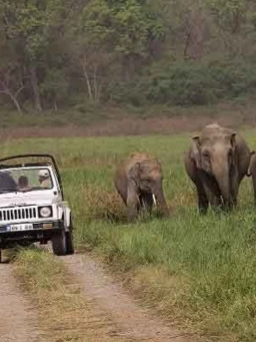
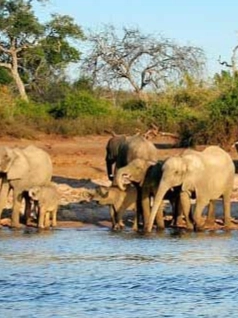
Large mammals: Royal Bengal tiger, Asian elephant (one of northern India's most important elephant populations, 1,100+ strong), leopard, and sloth bear all share this landscape, though leopards tend to keep to denser, hillier terrain than tigers.
Deer and ungulates: chital (spotted deer), sambar, hog deer, barking deer, and wild boar make up the bulk of the prey base you'll see grazing in the chaurs, particularly around dawn and dusk.
Other mammals: look out for langur and rhesus macaque troops, Himalayan goral on the steeper slopes near Durga Devi, and — for the very lucky — yellow-throated marten or otters along the Ramganga.
Reptiles and river life: the Ramganga and Kosi rivers hold both mugger crocodile and the critically endangered gharial, distinguishable by its narrow, elongated snout. King cobra sightings, while rare, are recorded most years.
Birds: with 600+ recorded species, Corbett is one of India's premier birding destinations, ranking alongside far more birding-focused reserves. Resident highlights include the great pied hornbill, crested serpent eagle, and Pallas's fish eagle; winter brings migratory waders, ducks, and the occasional black stork along the river stretches. Durga Devi and the Sitabani buffer are generally considered the strongest birding zones.
How Booking Actually Works
Every safari inside Corbett Tiger Reserve runs on a permit system administered by the Uttarakhand Forest Department — no permit, no entry, regardless of who you book through.
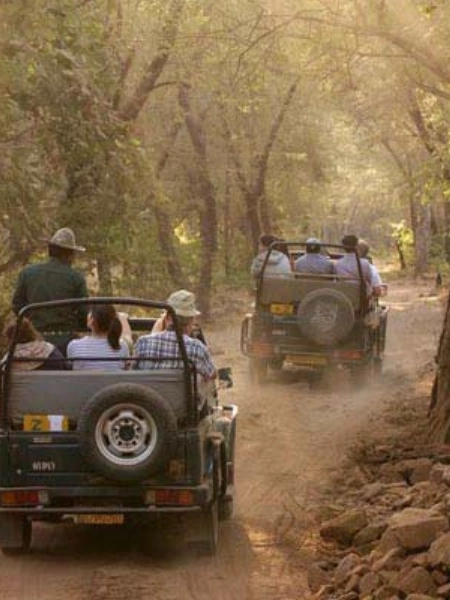
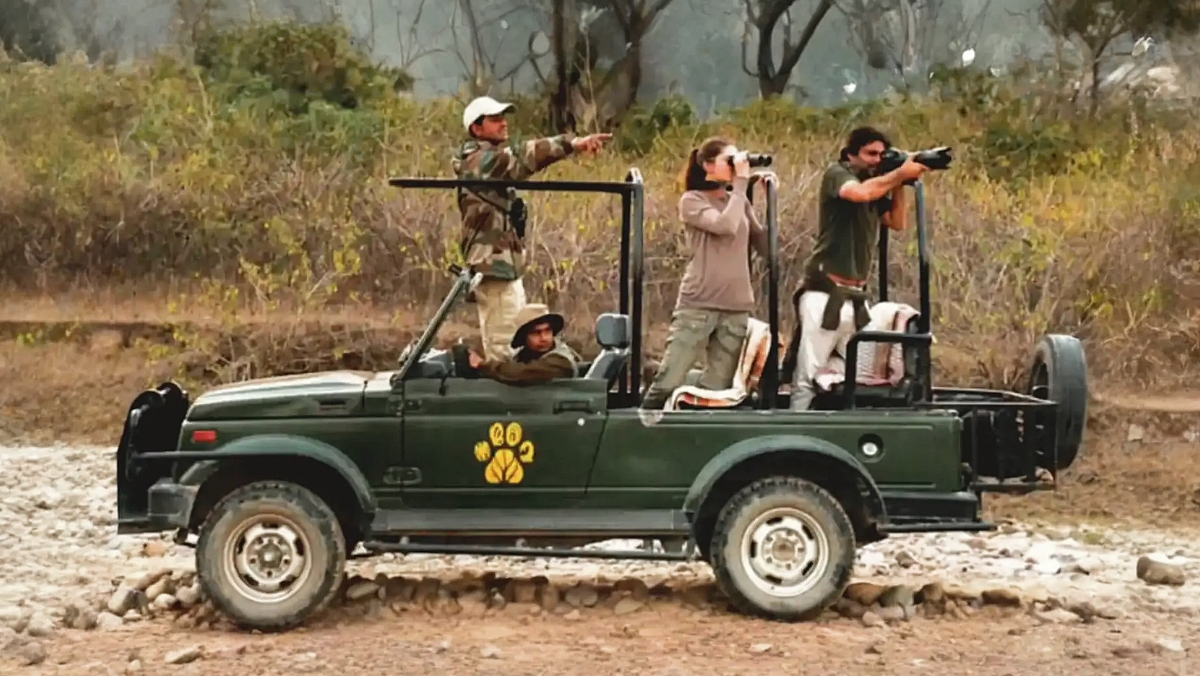
In practice, three things need to line up: an entry permit for a specific zone, date, and shift; an authorised safari vehicle (jeep or Canter); and a registered forest guide or naturalist, who is mandatory on every safari and cannot be swapped once assigned. Permits are booked against the exact ID document each traveller will carry on the day — Aadhaar, voter ID, or driving licence for Indian nationals, and passport for foreign nationals — and that same physical document has to be produced at the gate.
Two details catch first-time visitors off guard. First, permits are non-refundable and non-transferable the moment they're issued, so it's worth locking in travel dates before booking. Second, popular zones and weekend slots fill up fast once the department's advance booking window opens, so booking early meaningfully improves your odds of getting your first-choice zone and shift rather than whatever's left.
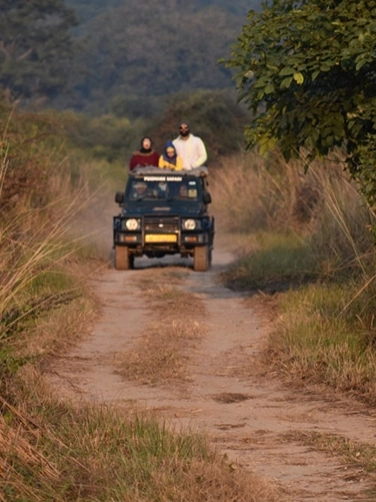
Safaris themselves run in two fixed shifts every day of the season — a morning shift starting around sunrise and an afternoon shift running into early evening — and every vehicle must be back out of the forest before closing time, with no exceptions for a "just five more minutes" sighting. Once your permit, vehicle, and guide are confirmed, the actual pre-safari process is simple: arrive at your assigned gate roughly 30–45 minutes before your shift, have your ID and permit checked, and head in.
What Affects Safari Pricing
The rates in our pricing table above aren't a single flat fee — they're built from several components, and understanding the split makes it obvious why two "jeep safaris" can cost noticeably different amounts.
The forest department entry fee is fixed by the Uttarakhand Forest Department per person, per zone, and is priced separately — and considerably higher — for foreign nationals than for Indian nationals, a policy common across Indian national parks. Vehicle hire is a separate charge, generally quoted per jeep rather than per person, which is why a full 6-seater jeep works out cheaper per head than a couple travelling alone. The guide fee is fixed and mandatory regardless of group size. Finally, zone and season both move the number: Dhikala, Garjiya, and Phato typically run higher than Jhirna or Dhela, and peak-season weekend dates in a bestseller zone command a premium over a quiet Tuesday in the shoulder season.
The one thing that doesn't change the price is who you book through — the entry permit and guide fee are fixed by the forest department no matter which operator submits your booking. What a good operator adds is reliability: correct paperwork, a well-maintained vehicle, an experienced naturalist, and someone to call if a date needs to shift before permits are issued.
Safety, Etiquette & What to Pack
Beyond the core rules already covered above — stay inside the vehicle, keep noise down, carry original ID — a few practical details make the difference between a good safari and a great one.
Clothing: earth tones (olive, khaki, brown, muted green) rather than bright colours or white, which both spook wildlife and stand out in every photo. Winter mornings drop close to freezing in an open jeep, so layer up even if the afternoon will be warm.
Photography: a zoom lens in the 200–400mm range covers most sightings; flash photography is discouraged and, in the core zone, generally prohibited, since it distresses nocturnal and low-light animals.
Health and comfort: carry water, sunscreen, and any personal medication — there are no shops once you're inside the gate. Motion-sensitive travellers should note that safari tracks are unpaved and genuinely bumpy.
Respect the forest: no littering, no playing music, and no attempts to call or bait animals for a better photo — guides are within their rights to end a safari early for repeated rule-breaking.
How to Reach Ramnagar & Jim Corbett
Every safari zone is reached via Ramnagar, the gateway town and headquarters of Corbett Tiger Reserve, so getting to Ramnagar is really the only logistics question that matters.
By train: Ramnagar Railway Station (code RMR) is the nearest railhead, with direct trains from Delhi (the Ranikhet Express and Corbett Link Express are the two most-used overnight options), plus connections from Moradabad, Bareilly, and Lucknow.
By air: Pantnagar Airport, roughly 80–100 km away, has limited domestic connections to Delhi. Most international and long-haul domestic travellers instead fly into Delhi's Indira Gandhi International Airport, then continue by road or rail — about a 6-hour drive or a similar overnight train journey.
By road: Ramnagar sits roughly 260 km from Delhi via Moradabad and Kashipur, a 6–7 hour drive under normal conditions, with regular state and private bus services running the route daily. Once you're in Ramnagar, every zone gate is a further 15–45 minutes by local taxi.
Beyond the Safari: What Else to See Near Ramnagar
A Corbett trip rarely fills every hour with jeep shifts — mornings and evenings, yes, but the midday gap between safaris is worth planning around.
Garjiya Devi Temple, about 14 km from Ramnagar on the road to Ranikhet, sits on a large rock in the middle of the Kosi river and draws steady footfall from devotees and photographers alike — the golden-hour light on the river here is genuinely worth the short climb up.
Corbett Waterfall, tucked into teak forest near Kaladhungi around 25 km out, drops roughly 20 metres and makes for an easy picnic stop with a short walk in from the parking area.
Corbett Museum, also near Kaladhungi, is Jim Corbett's preserved colonial-era home — a quieter, history-focused counterpoint to the safari itself, with his personal belongings and the story of how a hunter became the conservationist this entire park is named after.
Sitabani, aside from its birding reputation covered earlier, also carries genuine local legend — it's associated with the Ramayana as the place Sita is said to have spent her exile — and its small forest temple is worth combining with a walking safari if your schedule allows.
Watch: Real Safari Footage
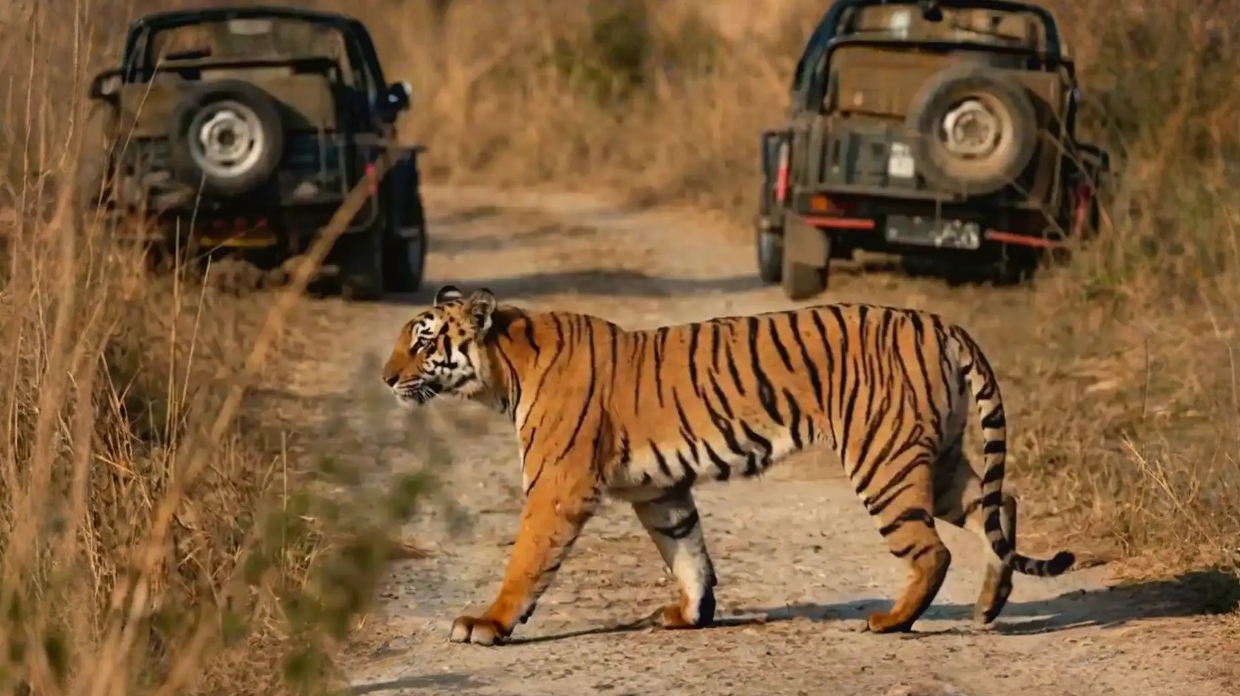
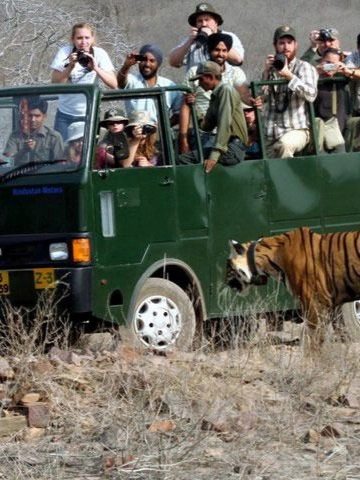
Photos only tell you so much about how a tiger actually moves through tall grass or crosses a forest track at dawn. Here's a real sighting from one of our own Dhikala zone safaris: